
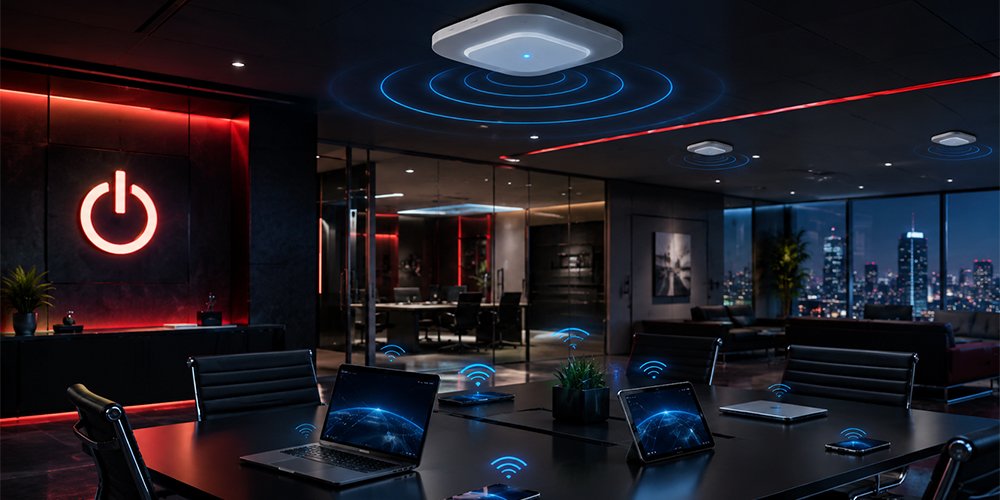
Reliable wireless connectivity has become an essential part of modern business infrastructure. Employees depend on Wi-Fi to access applications, communicate with colleagues, connect mobile devices, and complete daily tasks. Customers and visitors also expect stable wireless access when they enter offices, hotels, educational institutions, healthcare facilities, retail locations, and other business environments.
CITS provides professional wireless network solutions in Egypt for businesses that require secure, scalable, and dependable connectivity. Our services cover wireless network assessment, design, site surveys, access point installation, controller configuration, security implementation, performance optimization, and ongoing technical support.
We provide wireless solutions from leading technology vendors, including Cisco, HPE Aruba, Fortinet, SonicWall, Sophos, and CommScope RUCKUS.
Our team works with each organization to understand its building layout, number of users, connected devices, business applications, security requirements, and expected network usage. This allows us to design a wireless environment that provides suitable coverage and performance instead of relying on randomly installed access points.
Professional Wireless Solutions for Businesses
Business wireless networks are more complex than home Wi-Fi connections. A company may need to connect hundreds of employees, laptops, mobile phones, tablets, printers, security systems, Internet of Things devices, and guest users at the same time.
The network must provide reliable connectivity while maintaining security, user separation, performance, and centralized management.
CITS provides wireless network solutions for different environments, including:
- Corporate offices
- Hotels and hospitality facilities
- Schools and universities
- Hospitals and medical centers
- Factories and warehouses
- Retail stores and shopping centers
- Banks and financial institutions
- Government organizations
- Conference halls
- Data centers
- Branch offices
- Outdoor business environments
Each location has different wireless requirements. An office with several meeting rooms requires a different design from a warehouse with high ceilings or a hotel containing many guest rooms.
For this reason, the wireless network should be designed according to the physical environment and expected usage.
Wireless Network Design and Deployment
A successful wireless network starts with proper planning.
Simply installing multiple access points does not guarantee strong coverage or reliable performance. Access points may interfere with each other, signals may be weakened by walls and building materials, and some areas may remain without sufficient coverage.
CITS provides wireless network design and deployment services based on the customer’s building, network infrastructure, and business requirements.
During the planning process, our team considers factors such as:
- Building size and layout
- Number of floors
- Wall and construction materials
- Number of expected users
- Number and type of devices
- Required applications
- Voice and video traffic
- Guest wireless requirements
- Security policies
- Existing network switches
- Internet bandwidth
- Future expansion plans
The goal is to create a wireless network that provides balanced coverage, suitable capacity, and consistent connectivity throughout the required areas.
Wireless Site Survey Services
A wireless site survey is an important step before designing or upgrading a business Wi-Fi network.
The survey helps identify how wireless signals behave inside the building. It can reveal potential coverage gaps, interference sources, physical obstacles, and areas where large numbers of users are expected.
CITS conducts wireless site surveys to help determine the most suitable locations and number of access points.
A professional site survey may evaluate:
- Signal strength
- Wireless coverage
- Radio frequency interference
- Channel utilization
- Existing wireless networks
- Building materials
- User density
- Device density
- Access point placement
- Roaming requirements
- Outdoor coverage requirements
- Potential dead zones
The information collected during the survey helps create a more accurate wireless design and reduces the risk of performance problems after installation.
Site surveys can also be useful for existing wireless networks that suffer from weak signals, frequent disconnections, slow performance, or inconsistent coverage.
Wireless Access Points
Wireless access points allow devices to connect to the organization’s wired network through Wi-Fi.
Business access points are designed to support more users, stronger management capabilities, improved security, and better performance than standard consumer Wi-Fi devices.
CITS provides wireless access points from leading manufacturers for small offices, large enterprises, educational facilities, hotels, warehouses, and other business environments.
Selecting the right access point depends on several factors, including:
- Number of connected users
- Expected traffic
- Required wireless standards
- Indoor or outdoor installation
- Coverage area
- Device types
- Application requirements
- Power and cabling availability
- Centralized management requirements
- Security policies
A suitable access point should be selected based on the real workload rather than coverage distance alone.
A single access point may provide a visible signal across a wide area but may not have enough capacity to support all connected devices efficiently.
Wireless Controllers and Centralized Management
As the number of access points increases, managing each unit separately becomes difficult and inefficient.
Wireless controllers and cloud-based management platforms allow IT teams to manage access points from a centralized interface.
Centralized wireless management can help administrators:
- Configure multiple access points
- Apply consistent security settings
- Create wireless networks
- Monitor connected users
- View device activity
- Control bandwidth usage
- Detect performance issues
- Update access point configurations
- Manage guest access
- Identify unauthorized devices
- Monitor coverage and connectivity
- Troubleshoot network problems
CITS provides wireless controller and centralized management solutions according to the size and requirements of the organization.
The appropriate management model may depend on the number of locations, number of access points, internal IT resources, security requirements, and preferred deployment method.
Secure Wireless Network Solutions
Wireless security is essential because Wi-Fi signals may extend beyond the physical boundaries of the organization.
Without suitable protection, unauthorized users may attempt to connect to the network, access internal resources, intercept information, or misuse the organization’s internet connection.
CITS helps businesses build secure wireless networks using appropriate authentication, encryption, access policies, segmentation, and monitoring technologies.
Wireless security may include:
- Secure wireless encryption
- User authentication
- Device authentication
- Employee and guest separation
- Network access control
- VLAN configuration
- Firewall integration
- Intrusion detection
- Rogue access point detection
- Application control
- Web filtering
- User activity monitoring
Employees, guests, Internet of Things devices, and security systems should not necessarily use the same wireless network.
Separating these groups can improve security and help ensure that each user or device receives access only to the required resources.
Guest Wi-Fi Solutions
Many businesses need to provide wireless internet access for customers, visitors, students, patients, or temporary users.
Guest Wi-Fi should be convenient, but it should also be separated from internal business systems.
CITS can help organizations create guest wireless networks with controlled internet access and suitable security policies.
Guest Wi-Fi solutions may include:
- Separate guest network names
- Secure user isolation
- Internet-only access
- Bandwidth limits
- Time-based access
- Captive portals
- Visitor authentication
- Usage policies
- Firewall protection
- Centralized monitoring
A well-designed guest network allows visitors to access the internet without exposing internal servers, printers, applications, or employee devices.
Seamless Wireless Roaming
Employees and visitors often move between offices, meeting rooms, floors, and buildings while using mobile devices.
Seamless roaming allows devices to move between access points while maintaining connectivity.
This is especially important for voice calls, video meetings, warehouse applications, mobile terminals, and other services that require continuous network access.
Effective roaming depends on proper access point placement, signal overlap, wireless configuration, channel planning, and device compatibility.
CITS considers roaming requirements during the wireless design process to help provide a consistent experience across the premises.
High-Density Wireless Environments
Some locations contain a large number of users and devices within a limited area.
Examples include conference halls, classrooms, auditoriums, hotels, hospitals, call centers, and large office spaces.
In these environments, wireless design must focus on capacity as well as coverage.
An access point may provide sufficient signal strength but still become overloaded when too many devices connect at the same time.
High-density wireless planning may consider:
- Number of simultaneous users
- Number of devices per user
- Video and voice applications
- Internet usage patterns
- Channel availability
- Access point capacity
- Bandwidth requirements
- Interference management
- Load balancing
- Access point placement
CITS helps businesses design wireless networks that can support the expected number of users without relying only on basic coverage calculations.
Indoor and Outdoor Wireless Solutions
Wireless connectivity may be required inside buildings as well as in outdoor areas.
Indoor access points are commonly used in offices, hotels, educational facilities, retail stores, and healthcare environments.
Outdoor wireless access points are designed for locations such as:
- Factory yards
- Outdoor warehouses
- Hotel gardens
- Parking areas
- Educational campuses
- Construction sites
- Business compounds
- Open event spaces
- Building entrances
Outdoor installations require suitable equipment, weather-resistant enclosures, secure mounting, power availability, structured cabling, and careful coverage planning.
CITS can help organizations select and deploy wireless solutions suitable for the intended indoor or outdoor environment.
Cisco Wireless Solutions in Egypt
Cisco provides enterprise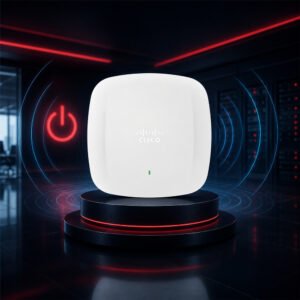 wireless solutions for organizations that require secure connectivity, centralized management, and integration with their existing network infrastructure.
CITS provides Cisco wireless solutions in Egypt for offices, large enterprises, branch networks, educational institutions, and other business environments.
Cisco wireless technologies can support access points, centralized management, network visibility, security policies, and connected device management.
Our team evaluates the organization’s users, applications, coverage area, switching infrastructure, and security requirements before recommending the appropriate solution.
HPE Aruba Wireless Solutions
HPE Aruba provides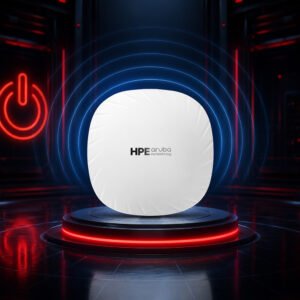 enterprise wireless technologies designed to support employees, visitors, mobile devices, and Internet of Things environments.
CITS offers Aruba wireless solutions in Egypt for businesses that require scalable connectivity and centralized network management.
Aruba wireless solutions can be considered for corporate offices, hospitality environments, educational institutions, healthcare facilities, retail locations, and large business campuses.
The appropriate solution depends on the number of users, access points, locations, network architecture, and management requirements.
Fortinet Wireless Solutions
Fortinet wireless solutions can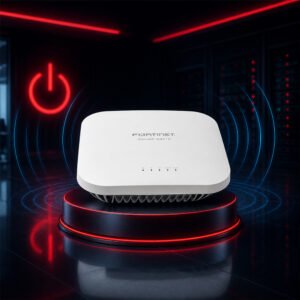 integrate Wi-Fi connectivity with network security and centralized management.
CITS provides Fortinet wireless solutions for organizations that require secure wireless access, firewall integration, user control, and visibility across their network.
These solutions may be suitable for businesses that already use Fortinet security technologies or require closer integration between wireless connectivity and network protection.
Our team helps configure the wireless environment according to the organization’s security policies, network zones, users, and applications.
SonicWall SonicWave Wireless Solutions
SonicWall SonicWave access points provide wireless connectivity with centralized management and security capabilities.
CITS offers SonicWall wireless solutions for businesses requiring secure access points, guest connectivity, employee access, and integration with SonicWall network security environments.
The required solution is selected according to the site size, number of users, expected traffic, and existing network infrastructure.
Sophos Wireless Solutions
Sophos provides wireless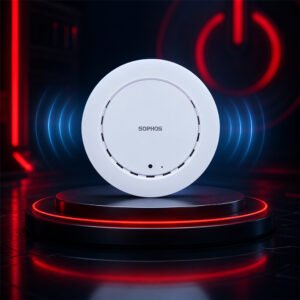 access points and management capabilities for organizations that need manageable and secure business Wi-Fi.
CITS provides Sophos wireless solutions for offices, branches, and other business locations.
Sophos wireless technologies can help organizations manage access points, create employee and guest networks, monitor connected devices, and apply security policies.
CommScope RUCKUS Wireless Solutions
CommScope RUCKUS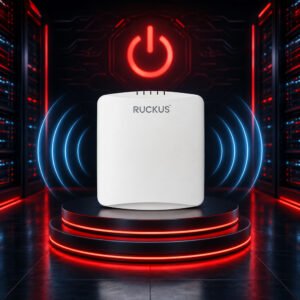 provides enterprise wireless solutions for environments requiring reliable connectivity and support for large numbers of users and devices.
CITS offers RUCKUS wireless solutions for organizations such as hotels, educational institutions, offices, warehouses, and high-density environments.
Our team evaluates the building layout, expected capacity, roaming requirements, and network infrastructure to determine the appropriate wireless design.
Integration with Switching and Structured Cabling
Wireless access points depend on the wired network infrastructure.
Each access point must connect to network switches and may require Power over Ethernet to receive power through the network cable.
Poor cabling, insufficient switch capacity, incorrect VLAN configuration, or limited uplink speed can negatively affect wireless performance.
CITS provides complete IT infrastructure solutions that integrate wireless networks with:
- Network switches
- Structured cabling
- Firewalls
- Servers
- Internet connections
- Network security
- VLANs
- Power over Ethernet
- Network monitoring
This integrated approach helps ensure that the wireless network works effectively with the rest of the IT infrastructure.
Wireless Network Optimization
Even a professionally installed wireless network may require adjustments as the business environment changes.
New employees, additional devices, office modifications, neighboring networks, and new applications can affect wireless performance.
CITS can assess and optimize existing wireless networks by reviewing:
- Access point locations
- Signal strength
- Channel configuration
- Interference
- Connected users
- Bandwidth usage
- Access point capacity
- Roaming performance
- Security settings
- Network segmentation
- Switch connectivity
- Firmware and management settings
Optimization can help address common problems such as weak coverage, slow Wi-Fi, unstable connections, overloaded access points, and poor roaming.
How CITS Selects the Right Wireless Solution
Every business has different wireless requirements.
Before recommending a solution, our team evaluates factors such as:
- Building size and number of floors
- Indoor and outdoor coverage
- Number of users
- Number of connected devices
- Type of business applications
- Guest access requirements
- Security policies
- Existing switches and cabling
- Power over Ethernet availability
- Centralized management requirements
- Number of branches
- Future expansion plans
- Available budget
This assessment helps determine the required number and type of access points, controller or management platform, cabling requirements, and security configuration.
Wireless Installation, Configuration, and Support
CITS provides end-to-end wireless network services in Egypt.
Our services can include:
- Wireless infrastructure assessment
- Wireless site surveys
- Network design
- Access point selection
- Access point installation
- Wireless controller configuration
- Network and VLAN configuration
- Guest network implementation
- Security configuration
- Testing and coverage validation
- Performance optimization
- Troubleshooting
- Technical support and maintenance
After installation, the network should be tested to confirm that it provides the required coverage and connectivity.
Our team can also help businesses maintain and expand their wireless infrastructure as their requirements change.
Why Choose CITS for Wireless Solutions in Egypt?
CITS provides complete IT infrastructure solutions rather than treating wireless connectivity as an isolated service.
Our experience includes wireless networks, switching, structured cabling, security, servers, storage, and data center infrastructure.
This allows us to design wireless solutions that integrate effectively with the organization’s complete network environment.
We work with leading wireless technology vendors, including Cisco, HPE Aruba, Fortinet, SonicWall, Sophos, and CommScope RUCKUS.
Whether you need Wi-Fi for a small office, multiple business branches, a hotel, a school, a warehouse, or a large enterprise environment, CITS can help you design and implement a secure and scalable wireless network.
Get a Quote for Wireless Solutions in Egypt
A reliable business wireless network requires more than installing access points. It requires proper assessment, design, security, configuration, and ongoing management.
Contact CITS to discuss your wireless network requirements and receive a solution based on your location, number of users, devices, applications, security requirements, and future growth plans.
Our team can help you evaluate Cisco, HPE Aruba, Fortinet, SonicWall, Sophos, and CommScope RUCKUS wireless solutions and select the most suitable option for your organization.
Frequently Asked Questions
What is a wireless site survey?
A wireless site survey evaluates the physical location, signal coverage, interference, user density, and potential access point locations before installing or upgrading a wireless network.
How many wireless access points does my business need?
The required number depends on the building size, wall materials, number of floors, expected users, connected devices, applications, and required coverage. A site survey provides a more accurate estimate.
What is the difference between a business access point and a home Wi-Fi router?
Business access points are designed to support more users, centralized management, stronger security policies, seamless roaming, and integration with enterprise network infrastructure.
Can CITS provide guest Wi-Fi for customers and visitors?
Yes. CITS can design a separate guest wireless network with internet access, user isolation, bandwidth control, authentication, and security policies.
Why is my business Wi-Fi slow even when the signal is strong?
Slow Wi-Fi may result from overloaded access points, interference, insufficient bandwidth, poor channel planning, network switch limitations, or too many connected devices.
Does CITS provide Cisco and Aruba wireless solutions in Egypt?
Yes. CITS provides wireless solutions from Cisco, HPE Aruba, Fortinet, SonicWall, Sophos, and CommScope RUCKUS.
Can wireless access points provide seamless roaming?
Yes. A properly designed wireless network can allow devices to move between access points while maintaining connectivity. Roaming performance depends on access point placement, configuration, signal overlap, and device capabilities.
Can CITS improve an existing wireless network?
Yes. CITS can assess existing coverage, interference, access point capacity, security settings, and network infrastructure to identify and address performance problems.
Does CITS provide wireless installation and support?
Yes. CITS provides wireless site surveys, design, access point installation, controller configuration, security implementation, testing, optimization, troubleshooting, and technical support.